
Written by: Mael, Reporter in ISFM
In the year 776 BC, the first Olympic games were hosted in Olympia, Greece. Only male athletes that lived in Greek city states were allowed to participate. We don’t know much about the ancient olympic games, but on April 6-15, 1896, the first modern olympic games were hosted Athens, Greece.
The Transition: From Olympia to the World
While the ancient games were eventually banned in 393 AD by the Roman Emperor Theodosius I (who viewed them as a “pagan” ritual), the spirit of the competition never truly died.
In the late 19th century, the discovery of the ruins of Ancient Olympia sparked a renewed interest in the “classical ideal.” This inspired Pierre de Coubertin to propose a modern version of the Games that would promote international understanding.
The Growth of the Modern Movement
The 1896 Athens Games were a success, but they were quite small by today’s standards. Over the next century, the Olympics underwent several major transformations:
- 1924: The Arrival of Winter: Recognizing that athletes in colder climates had no place in the Summer Games, the first Winter Olympics were held in Chamonix, France.
- 1948: The Paralympic Roots: After World War II, Dr. Ludwig Guttmann organized a sporting event for veterans with spinal injuries. This eventually grew into the official Paralympic Games, first held in Rome in 1960.
- 1992: The “Dream Team” Era: For a long time, only amateur athletes were allowed to compete. This changed in 1992, allowing professional superstars—most famously the U.S. Olympic Basketball “Dream Team”—to take the stage.
The Modern Olympic Structure
Today, the Games are governed by the International Olympic Committee (IOC) and follow a strict four-year cycle known as an Olympiad.
| Era | Focus | Key Participants |
| Ancient (776 BC – 393 AD) | Religious/Military | Greek males only |
| Early Modern (1896 – 1920) | Amateurism/Revival | Primarily European nations |
| Global Era (1960 – Present) | Diversity/Professionalism | 200+ nations; Men & Women |
Why the Games Matter Today
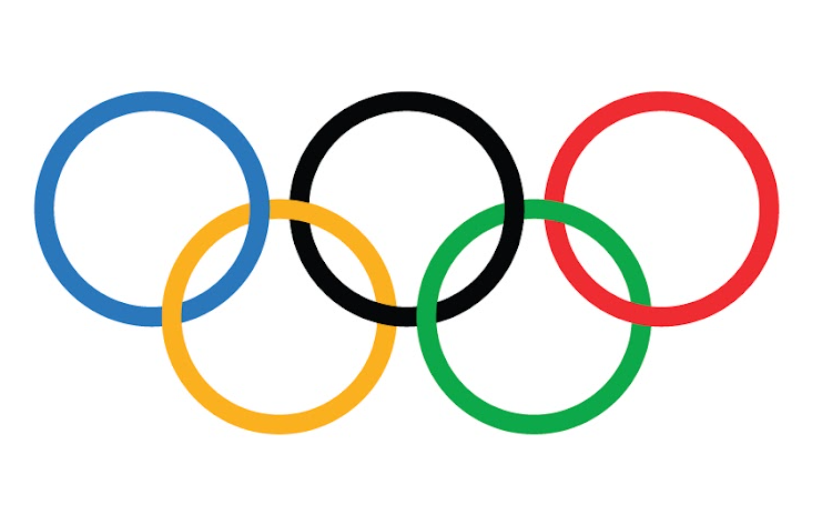
The Olympics have evolved into more than just a sports competition; they are a platform for cultural exchange and political statements. From the iconic five rings—representing the meeting of five continents—to the lighting of the Olympic cauldron, the ceremonies remain a symbol of global unity, even during times of international tension.
Thanks for reading!
Written by: Mael, Reporter in ISFM


Leave a Reply